
How Great Engineering Starts with Great Design
Every successful product begins with an idea. It might be a sketch on the back of an envelope, a hand-drawn concept in a notebook, or a rough CAD model created during a lunch break. Turning that idea into a precision-engineered component however, is where the real challenge begins.
At Profin H.D., we help inventors, product designers, engineers and manufacturers transform concepts into high-quality, production-ready components. Whether you’re developing a one-off prototype or preparing for a production run of thousands of parts, every stage of the process plays an important role in achieving the best possible outcome.
Here’s a look at the journey a typical component takes—from the first sketch to the finished product.
Stage 1: The Initial Concept
Every project starts with a problem to solve.
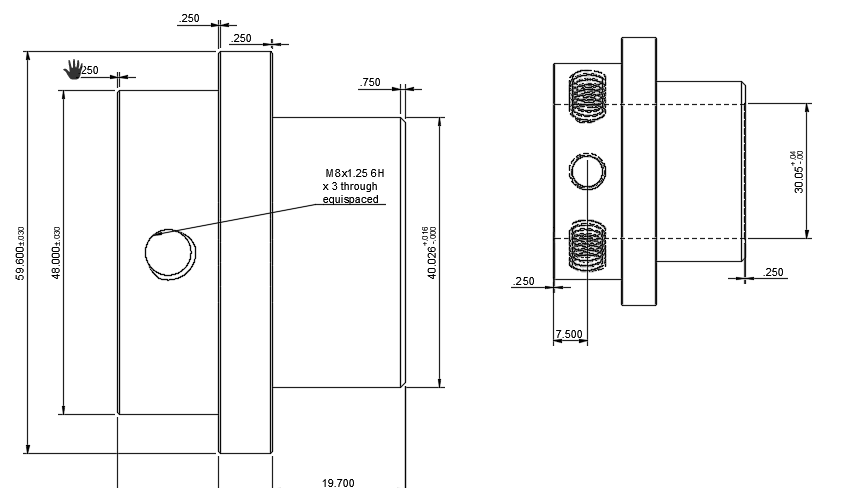
Perhaps you need to improve an existing product, replace an obsolete component, or develop something entirely new. At this stage, the focus isn’t on manufacturing—it’s on functionality.
At the first stage of the product development process – Questions to consider include:
- What do you need the part to do?
- What loads or forces will it experience?
- Will it operate indoors or outdoors?
- Does it need to be lightweight or extremely durable?
- How many parts are likely to be manufactured?
Even a rough sketch with a few dimensions can be enough to begin developing a professional design.
What do you need the part to do?
This seems obvious but it is important to focus the primary purpose of product. Often I find that a client immediately veers away from the original design brief as soon as work commences. This is because their mind is racing with ideas, they begin to come up with lots of “nice to have” features. Whilst some development of their idea is natural, progress can become stifled.
Often when we receive a brief from a client the product has one purpose in mind. For instance the client has spotted a gap in the market and their product will fulfil that gap, additional features create additional cost. Often these additional features result in a production cost of two, three or four times the base price cost. It follows that additional features outside the product’s primary purpose need to be closely scrutinised.
The test is “can I demonstrate an obvious benefit to the general public?” if you can’t justify why a product should cost several times the base price without the additional features then you are wasting your time. In this instance I would recommend that re-focus on the primary goal.
What loads or forces will it experience?
Ensure that your product designer has clear and accurate figures to start with included in the brief. I have seen a client start with “it only needs to hold a few kilos” before adding “let’s make it able to withstand 60kg or more” a few weeks later, which required a complete design change.
Will it operate indoors or outdoors?
If the product is used outdoors, aside from getting wet will the product need to be U.V. resistant, work in low temperatures etc. You also need to consider that different materials expand and shrink at different rates as the temperature changes, which can be problematic with close fitting parts.
Does it need to be lightweight or extremely durable?
As the saying goes, “Light, Strong, Cheap – pick two”.
How many parts are likely to be manufactured?
It is important to incorporate “Design for Manufacture” into your approach
Stage 2: CAD Design – Bringing the Idea to Life
Once the concept has been defined, it’s time to create an accurate 3D CAD model.
At this stage of the product development process ideas become engineering.
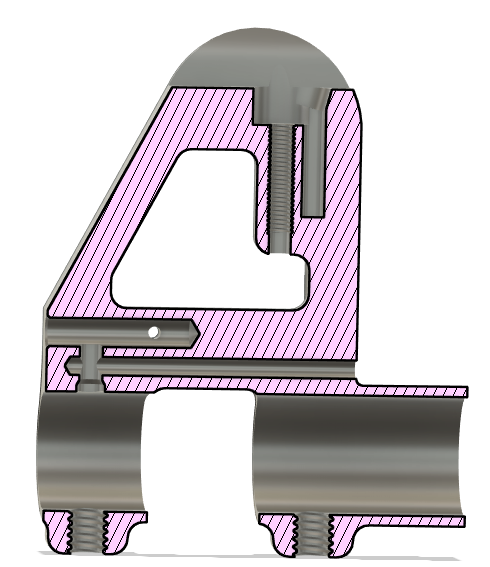
A well-designed CAD model allows designers and manufacturers to:
- Visualise the finished component
- Check clearances and assembly
- Identify design issues before manufacturing
- Produce accurate technical drawings
- Calculate weights and material usage
- Simulate movement or interference where required
At Profin H.D., we always design with manufacturing in mind. Design for Manufacture (DfM)—will help you to eliminate unnecessary complexity, while reducing machining time and your production costs.
Small changes made during the CAD stage can often save you money in the manufacturing process.
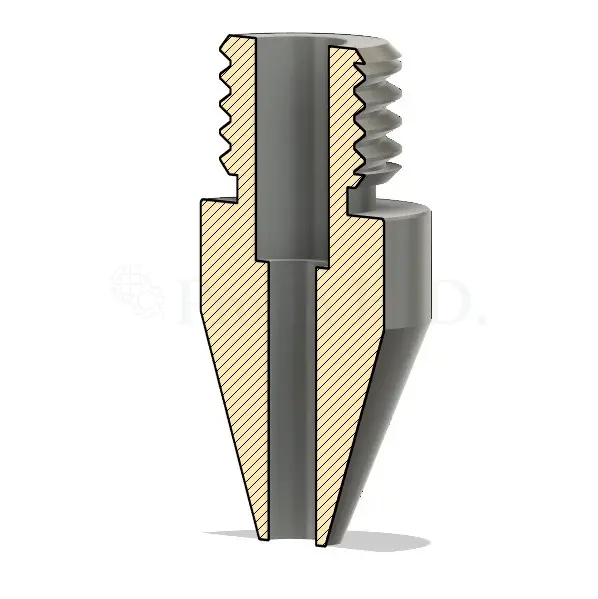
Stage 3: Selecting the Right Manufacturing Process
One of the most important decisions in product development is choosing the most suitable manufacturing process. The right choice depends on several factors, including the material, production volume, required tolerances, surface finish, mechanical properties, lead time and budget.
Selecting an inappropriate process can significantly increase production costs, extend lead times or even result in a component that doesn’t meet its intended purpose. At Profin H.D., we help customers evaluate these factors to ensure the chosen manufacturing method delivers the best balance of performance, quality and cost.
CNC Machining
CNC machining is often the preferred choice for high-precision components and is suitable for both prototypes and production parts.
Ideal for:
- Tight dimensional tolerances
- Excellent surface finishes
- One-off components and low-volume production
- Metals such as aluminium, steel, stainless steel, brass and titanium
- Engineering plastics including Delrin, Nylon and PEEK
Because material is removed from a solid billet, CNC machining offers exceptional accuracy and repeatability, making it ideal for components where precision is critical.
CNC machining produces excellent dimensional accuracy and surface finish, making it the preferred choice for many engineering applications.
3D Printing
3D printing has transformed product development by allowing designers to produce parts quickly without the need for expensive tooling.
Ideal for:
- Concept models
- Design verification
- Functional prototypes
- Complex internal geometries
- Low-volume production of plastic components
Technologies such as FDM, SLA, SLS and MJF each offer different advantages depending on the application. While 3D printing is excellent for rapid development, it may not always be the most economical solution for larger production quantities.
Laser or Waterjet Cutting
Best suited for:
- Flat components
- Sheet metal
- Gaskets
- Brackets
- Production batches
Laser cutting produces clean, precise edges in metals and plastics, while waterjet cutting can process thicker materials and heat-sensitive alloys without creating a heat-affected zone.
Injection Moulding
When production volumes increase, injection moulding often becomes the most economical manufacturing method for plastic components.
Molten plastic is injected into a precision-engineered mould under high pressure, producing consistent, repeatable parts in seconds.
Ideal for:
- Medium to high production volumes
- Consumer products
- Electronic enclosures
- Automotive components
- Medical devices
- Plastic assemblies
Although the initial tooling investment can be significant, the cost per part becomes extremely low once production quantities reach several hundred or thousands of units. Designing components specifically for injection moulding from the outset can dramatically reduce manufacturing costs and improve product quality.
Casting
Casting is an excellent option for producing metal components with complex shapes that would be difficult or expensive to machine from solid material.
Molten metal is poured into a mould and allowed to solidify before machining critical surfaces to their final dimensions.
Common casting processes include:
- Sand casting
- Investment casting
- Die casting
- Gravity die casting
Ideal for:
- Complex geometries
- Large components
- Aluminium and cast iron parts
- Medium to high production volumes
- Components requiring reduced material waste
Casting often provides an excellent balance between cost and complexity, particularly where large amounts of material would otherwise need to be removed during machining.
Forging
Forging produces some of the strongest engineering components available by shaping heated metal under immense pressure.
Unlike casting, forging aligns the metal’s internal grain structure, creating parts with superior strength, toughness and fatigue resistance.
Ideal for:
- High-strength components
- Shafts and axles
- Connecting rods
- Lifting equipment
- Aerospace and defence applications
- Heavy-duty industrial machinery
Although forged components usually require secondary machining to achieve their final dimensions, the resulting mechanical properties are often significantly better than those of cast or machined equivalents.
Choosing the Best Process
There is rarely a single “correct” manufacturing process. Instead, the best solution depends on balancing performance, cost and production requirements.
When selecting a manufacturing method, consider:
- How many parts are required?
- What material is most suitable?
- What dimensional tolerances are needed?
- Does the part require high strength or wear resistance?
- What surface finish is expected?
- How quickly are the parts needed?
- What is the available tooling and production budget?
Stage 4: Prototyping and Testing
Very few successful products reach production without refinement, so don’t be surprised if your prototype needs some tweaks. For this reason, no matter how tempting it is to skip prototyping to save costs, it just isn’t worth the risk.
A prototype allows you to answer important questions:
- Does everything fit correctly?
- Is the material suitable?
- Is the part strong enough?
- Can it be assembled easily?
- Does the prototype do everything it is supposed to do?
Testing a prototype before production also often uncovers opportunities to improve performance while reducing manufacturing costs.
With this point in mind, it’s far less expensive to modify a CAD model than to redesign a production component after hundreds have already been manufactured.
Stage 5: Refinement and Design Optimisation
After testing, the design is reviewed.
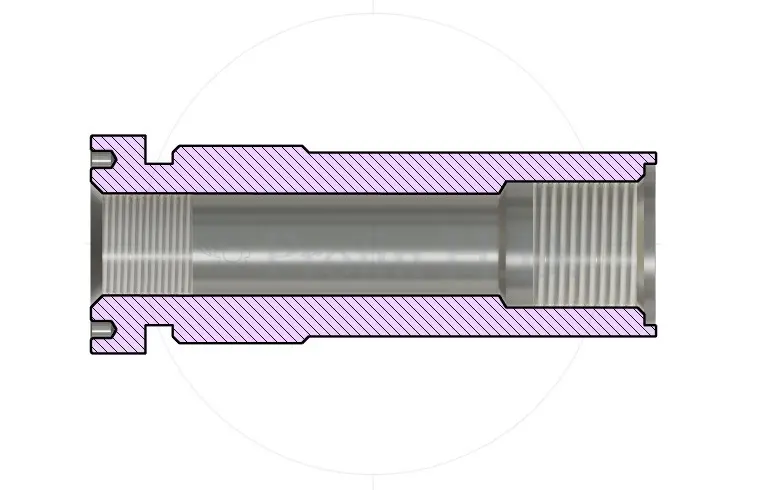
Typical improvements include:
- Reducing machining time.
- Simplifying complex features
- Improving strength
- Reducing weight
- Selecting more suitable materials
- Standardising fasteners
- Improving assembly
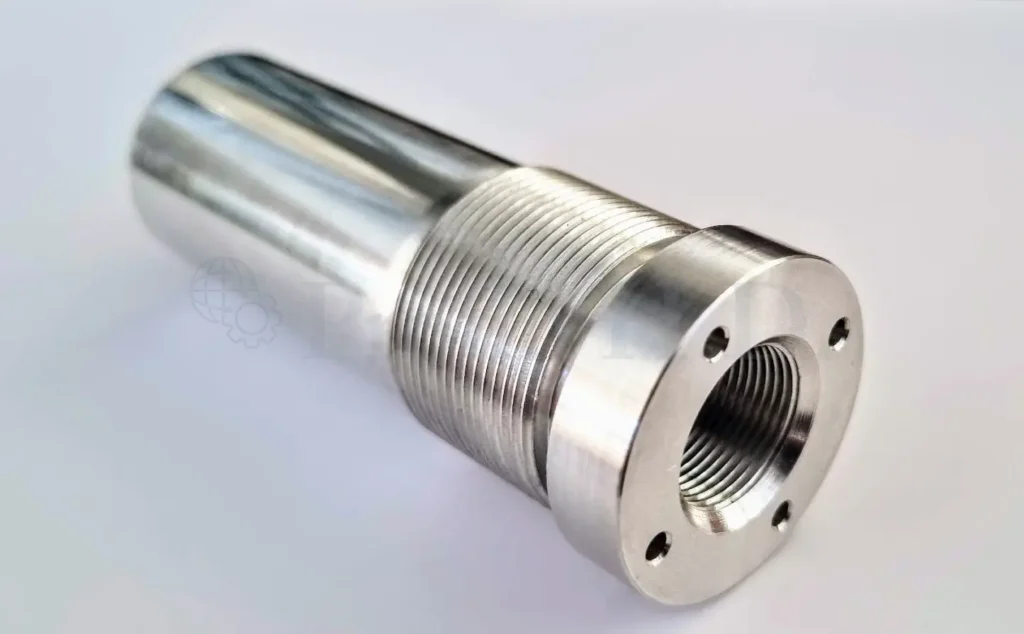
This stage is often overlooked but can have the biggest impact on manufacturing costs.
At Profin H.D., we regularly review customer designs and suggest practical improvements that maintain performance while making parts quicker and more economical to manufacture.
Stage 6: Production Manufacturing
Once the design has been validated, production can begin. This is the final stage of the product development process before the product goes to market.
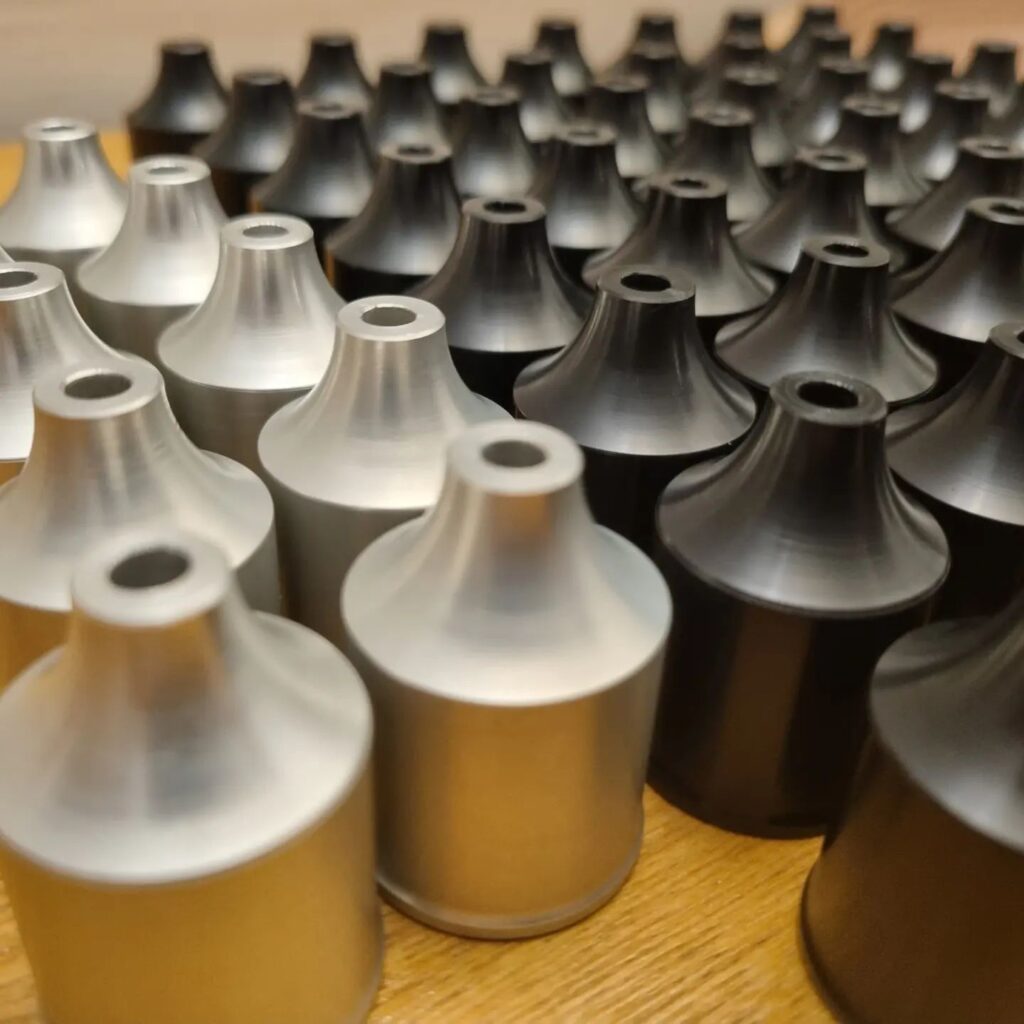
Depending on the project, this may involve:
- One-off bespoke components
- Small batch production
- Low-volume manufacturing
- Ongoing production runs
- Replacement parts
- Assembly components
Every manufactured part should be inspected to ensure it meets the original design specification.
Consistent quality control ensures every component performs exactly as intended.
Real-World Example
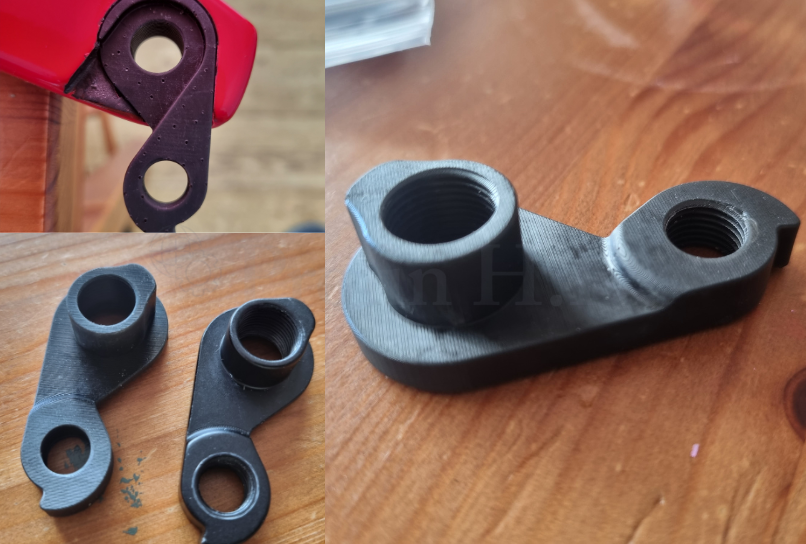
A customer approached Profin H.D. with a prototype that had been manufactured using a costly process and was essentially a throw away item. Once critical features had worn the part had to be scrapped.
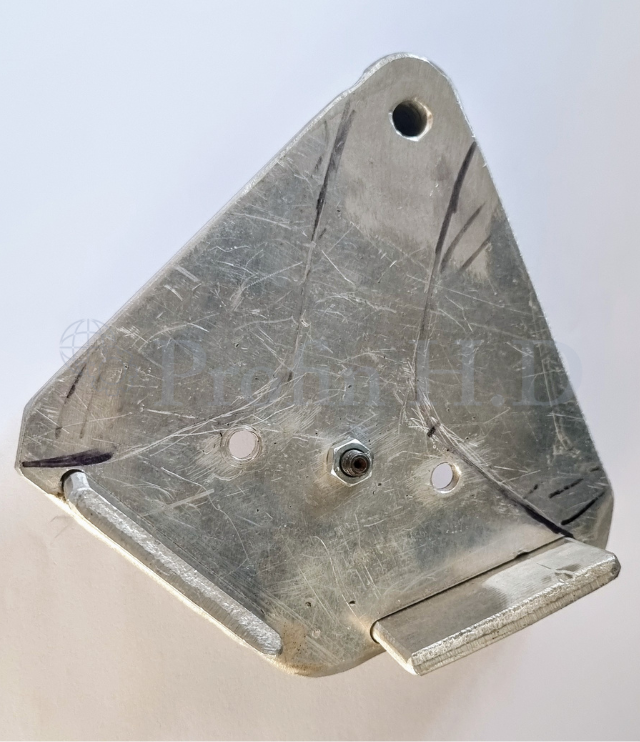
By reviewing the CAD model and applying Design for Manufacture principles, we were able to:
- Simplify the component geometry
- Create a deliberate failure point to protect machinery.
- Reduce production time
- Specify a more suitable material
- Improve assembly
- Maintain the original functionality
- Reduce cost drastically
- Create replaceable components to reduce future costs.
The above aluminium product was fabricated and welded together at considerable expense. We were able to produce a better performing 3d printed version with replaceable parts for a fraction of the cost. You can read more about this project and 3d printing here:
Read MoreThis is exactly why involving your manufacturing partner early in the design process can make such a difference.
Why One Engineering Partner Makes Sense
Managing multiple suppliers for CAD design, prototyping and production can create communication issues, longer lead times and unnecessary costs.
Working with a single engineering partner offers several advantages:
- Faster project delivery
- Improved communication
- Better design continuity
- Reduced manufacturing costs
- Fewer design revisions
- Simplified project management
At Profin H.D., we provide support throughout the entire product development process—from initial concept through to finished production components.
Whether you have a rough sketch, an existing CAD model or a worn-out component that needs reverse engineering, we can help transform your ideas into precision-engineered parts.
Final Thoughts
Great products don’t happen by accident—they’re the result of careful planning, intelligent design and expert manufacturing.
By considering manufacturing from the very beginning, you can reduce costs, shorten lead times and improve product quality.
Whether you’re developing a new product, refining an existing design or preparing for production, investing time in the early stages of design will always pay dividends.
If you’re looking for an experienced engineering partner to help take your project from sketch to production, Profin H.D. is here to help.
Contact us today to discuss your project, request a quotation or find out how we can help bring your ideas to life.